
If you travel often, manage business calls, or simply want better coverage, dual SIM phones can be a game-changer. Instead of carrying two devices, you can run two numbers on one phone, making life simpler and usually cheaper too.
In this guide, you’ll learn what dual SIM phones are, how they work (including DSS vs DSA), how eSIM fits in, and which popular models support dual SIM today.
What Are Dual SIM Phones?
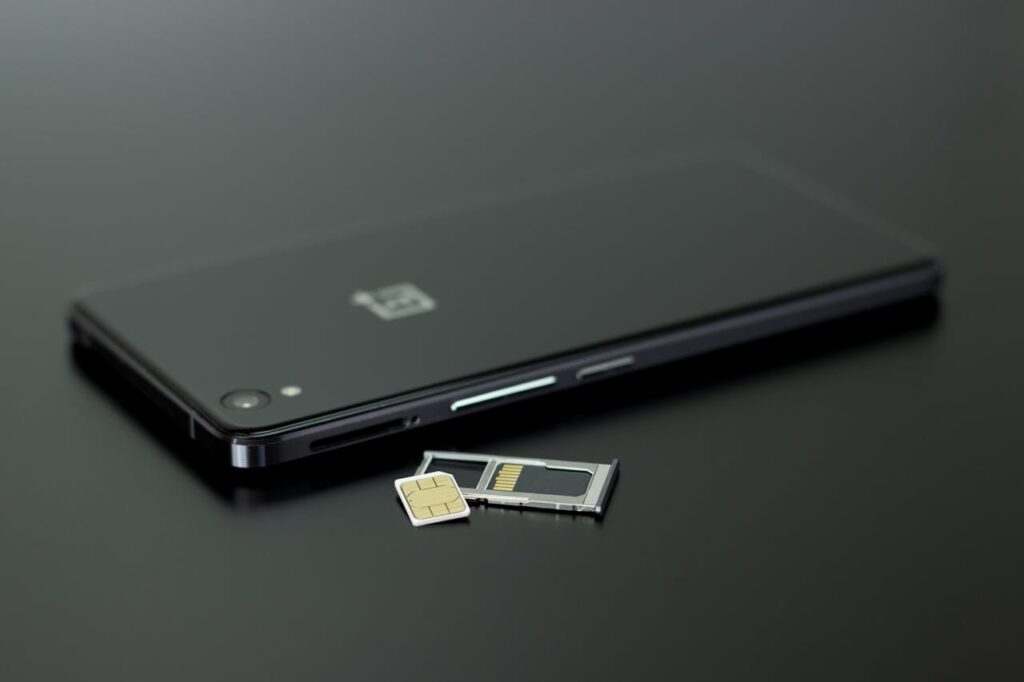
Dual SIM phones are smartphones that support two SIM profiles in one device. That way, you can keep two phone numbers available at the same time and switch between them when needed. Depending on the model, this can be done with two physical SIM cards or a mix of physical SIM + eSIM.
Dual Sim Phone Meaning (Dual Sim Card Phones Explained)
The simplest dual SIM phone means: one phone that can handle two SIMs.
Most dual SIM phones support one of these setups:
- Dual physical SIM (two SIM card slots)
- Physical SIM + eSIM (one regular SIM + one digital SIM)
Even though people say dual SIM card phones, you don’t always need two physical SIM cards anymore. With newer devices, eSIM is the more convenient option.
Who Should Buy A Dual SIM Phone?
Dual SIM phones are a great choice if you want to separate different parts of your life without carrying a second phone. They’re especially useful for:
- Travelers who want a local SIM for cheaper data
- People who need a business line and a personal line
- Anyone who wants better coverage using two networks
>>>Read more: Bark Phone Reviews 2026: Plans, Carrier, and Age Fit
How Do Dual SIM Phones Work?
Most dual SIM phones keep both SIMs connected on standby. You can receive calls and texts on either number, then choose which SIM to use for mobile data. Many phones also let you set a default SIM for calls and messages, so you don’t have to pick every time.
A common setup looks like this:
- SIM 1: personal number
- SIM 2: work number or travel data
This makes daily use simple, even for beginners.
Dual SIM Standby (DSS) Vs Dual SIM Active (DSA)
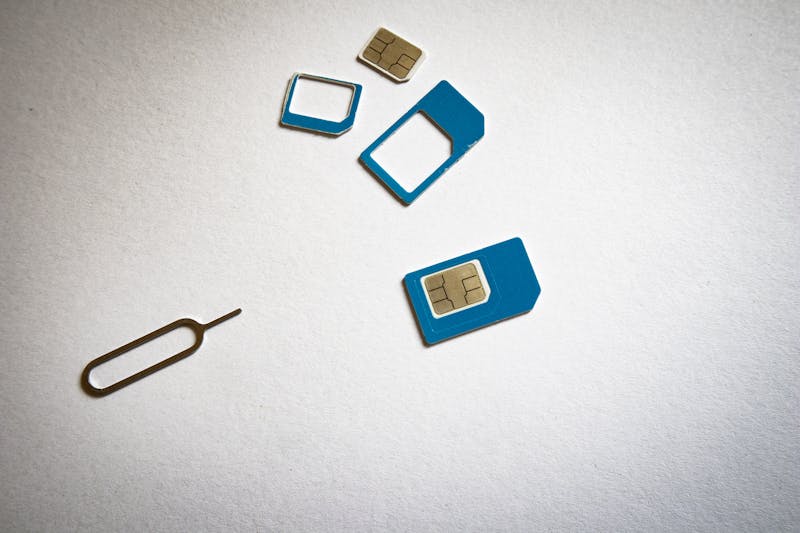
When looking at dual SIM phones, you’ll often see DSS and DSA.
Dual SIM Standby (DSS) is the most common type:
- Both SIMs can receive calls/texts while in standby
- If you’re on a call using SIM 1, SIM 2 might be unreachable until the call ends
- Mobile data runs on one SIM at a time
Dual SIM Active (DSA) is more advanced but less common:
- Both SIMs stay active at the same time
- You can receive calls on SIM 2 even while using SIM 1
- It can cost more and sometimes use more battery
For most people, DSS is already enough for daily work and travel.
Dual SIM + eSIM: How It Works In Real Life
A lot of modern dual SIM phones work with physical SIM + eSIM, and this is one of the best combos in real life.
For example, you can:
- Keep your home SIM active for calls and OTP verification
- Use an eSIM plan for travel data without swapping SIM cards
This is super helpful if you fly often, or if you want to avoid losing your main number while using a new carrier.
Can Dual SIM Phones Be On Different Networks?
Yes. Dual SIM phones can be used with two different networks at the same time. You could use one carrier for calls and texts, and another for cheaper mobile data.
It’s also useful when:
- One network has a better signal in your home area
- Another network works better when you travel
What Phones Have Dual SIM? (Best Options To Consider)
If you’re asking what phones have dual SIM, the answer depends on the brand and region. Some models support dual SIM in Asia or Europe, but only single SIM in the US.
So before buying, always check the exact version you’re getting.
Samsung Dual SIM Phones (Popular Models & Series)
Samsung is one of the most trusted brands for dual SIM phones, and many Samsung devices support dual SIM (either dual physical SIM or SIM + eSIM).
Samsung series that often offer dual SIM options include:
- Galaxy S series
- Galaxy A series
- Galaxy Z Fold / Z Flip series
Samsung is a strong choice if you want stable performance, wide carrier support, and easier SIM management.
Other Dual SIM Card Phones To Consider (Android + iPhone)
Besides Samsung, many Android brands offer solid dual SIM phones, especially in mid-range models. Popular options include Google Pixel, OnePlus, Xiaomi, OPPO, and Vivo, depending on your country.
For iPhone users, dual SIM is also available on many models through physical SIM + eSIM. That means you can still use two lines, even if there’s only one physical SIM slot.
>>>Read more: Best Burner Phone for Travel: What It Is, Where to Buy, and How to Set It Up
Pros And Cons Of Dual SIM Phones
Like any feature, dual SIM phones come with both benefits and trade-offs.
Pros
- Dual SIM is great because it helps you:
- Separate work and personal calls easily
- Save money by using a cheaper data plan on one SIM
- Travel without losing access to your main number
Cons
However, there are a few downsides:
- The battery may drain slightly faster with two SIMs active
- Some phones only support one SIM for data at a time
- eSIM availability depends on carrier support
Still, for travel and business, the advantages usually outweigh the small issues.
FAQs
Can I Use Two SIM Cards At The Same Time?
Yes. Most dual SIM phones allow both SIMs to stay on standby at the same time. You can receive calls and messages on either line, but usually only one SIM can use mobile data at once.
Can I Use Different Networks On A Dual SIM Phone?
Yes. You can use two carriers at once, which is one of the biggest reasons people choose dual SIM phones.
Do Dual SIM Phones Drain Battery Faster?
They can drain the battery a bit faster because the phone is connected to two networks. But for most users, the difference isn’t huge unless signal strength is weak.
Is Dual SIM Worth It In 2026?
Yes, especially if you travel, run a business, or want to separate work and personal communication. For many people, dual SIM phones are absolutely worth it in 2026.
Conclusion
Dual SIM phones are a smart upgrade if you need two numbers, travel often, or want more flexible coverage. Once you get used to setting your default SIM for calls, texts, and data, dual SIM becomes one of those features you don’t want to live without.
Before you buy, make sure your exact phone model supports dual SIM in your region, especially if you’re relying on eSIM for travel or work.